

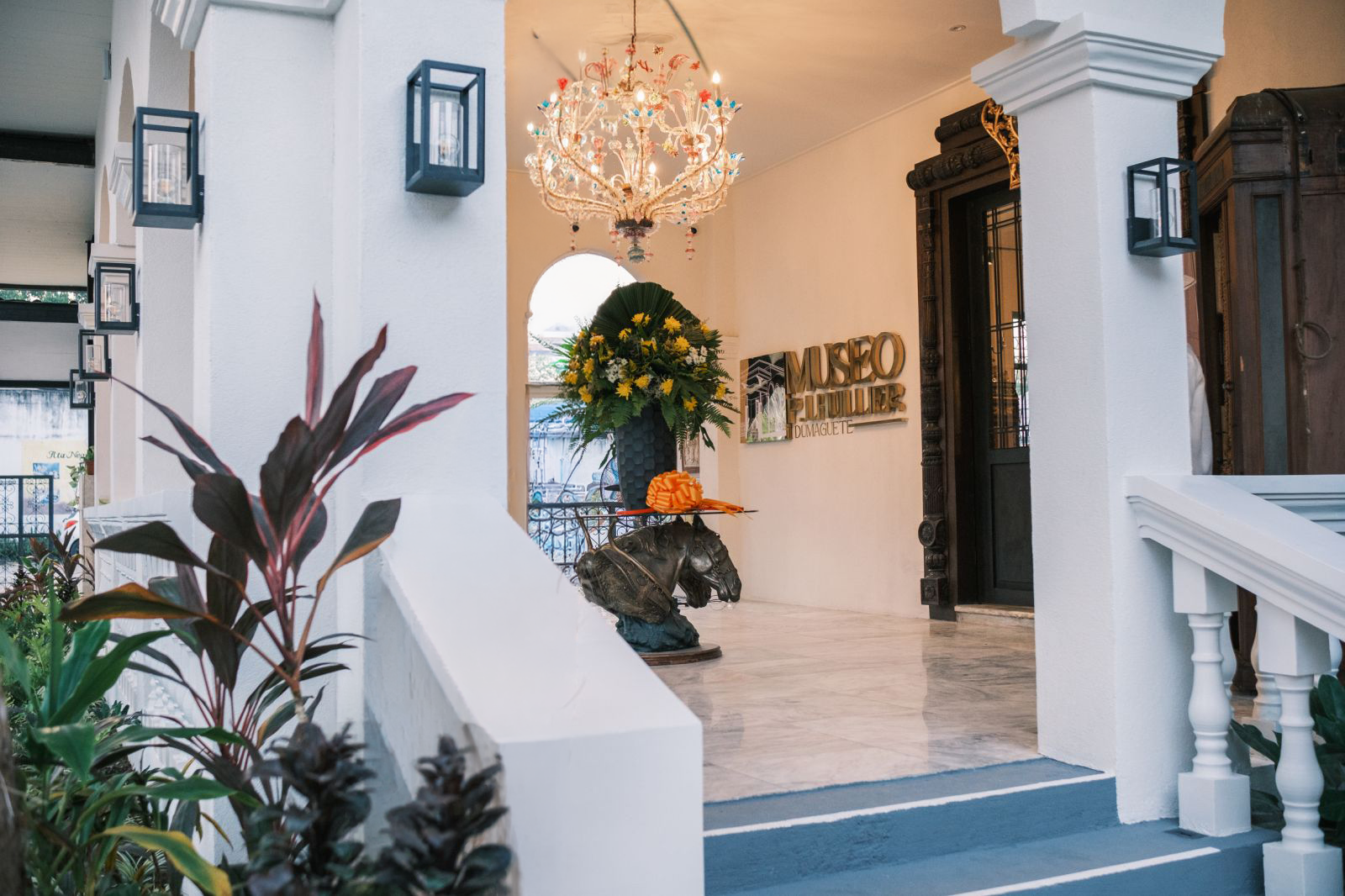
Museo P. Lhuillier Opens in Dumaguete, Bringing Art and Heritage Closer to the Community
Dumaguete City, Negros Oriental, welcomes a new cultural attraction with the opening of Museo P. Lhuillier, a museum dedicated to celebrating art, history, and cultural heritage. Featuring an exceptional collection of European paintings, sculptures, period furniture, and religious antiquities, the museum offers visitors an opportunity to explore artistic masterpieces and historical treasures from different periods and traditions.
Owned by Philippine Ambassador to Spain and Andorra H.E. Philippe J. Lhuillier and his wife, Mrs. Edna Diago-Lhuillier, the collection reflects the couple’s longstanding appreciation for art, history, and the preservation of cultural treasures.
With its opening, Museo P. Lhuillier aims to make remarkable works of art more accessible to the public while encouraging visitors to appreciate the stories, craftsmanship, and cultural influences behind each piece.
Museo P. Lhuillier: Preserving Art and History for Future Generations
The establishment of Museo P. Lhuillier reflects the Lhuillier family’s shared passion for collecting, preserving, and showcasing significant works of art.
For Mrs. Edna Diago-Lhuillier, bringing the collection to Dumaguete is especially meaningful. Having always considered the city her home, she sees the museum as an opportunity to give back to the community and share a part of her family’s journey.
By making these treasured pieces accessible to the public, the museum hopes to inspire curiosity and encourage a deeper appreciation of artistic expression, historical preservation, and cultural heritage.
“I hope that visitors, especially the younger generations, will find inspiration in the pieces housed here. Each work has its own story to tell, and I hope that seeing them up close will spark curiosity, encourage learning, and give people a greater appreciation for the beauty and craftsmanship of different periods,” said Mrs. Edna Diago-Lhuillier.
A Remarkable Collection of European Art and Antiquities
Visitors to Museo P. Lhuillier can discover an impressive selection of artistic and historical pieces, including:
- European paintings showcasing different artistic periods and traditions.
- Sculptures highlighting artistic expression and craftsmanship.
- Period furniture reflecting the design and aesthetics of earlier generations.
- Religious antiquities offering glimpses into historical traditions and religious artistry.
Together, these collections provide visitors with an opportunity to explore how art reflects the cultures, beliefs, traditions, and experiences of different generations.
Ambassador Philippe J. Lhuillier emphasized the importance of sharing art and history with the public, noting that cultural preservation helps communities better understand the stories that have shaped generations.
“Art and history allow us to better understand the cultures, traditions, and stories that have shaped generations. Through Museo P. Lhuillier, we hope to share these remarkable works with the public and give more people the opportunity to discover the value of preserving and appreciating our artistic heritage,” said Ambassador Lhuillier.
Jean Henri Lhuillier Shares His Family’s Vision for Cultural Preservation
The museum also represents the Lhuillier family’s commitment to preserving its artistic legacy and passing it on to future generations.
Jean Henri Lhuillier, President and CEO of Cebuana Lhuillier and the eldest child of Ambassador Philippe J. Lhuillier and Mrs. Edna Diago-Lhuillier, views the museum as an extension of his parents’ passion for collecting and safeguarding significant works of art.
For him, Museo P. Lhuillier is more than a showcase of valuable collections. It is an opportunity to inspire younger generations to become more interested in art, history, and cultural preservation.
“More than a collection of remarkable pieces, we hope Museo P. Lhuillier will inspire curiosity and appreciation among visitors, particularly the younger generations. It is our hope that they leave with a better understanding of the stories behind these works and the importance of preserving them for years to come,” said Jean Henri Lhuillier.
A New Cultural and Tourism Attraction in Dumaguete City
The opening of Museo P. Lhuillier adds another destination to Dumaguete City’s growing cultural and tourism landscape.
Known for its academic community, local traditions, and vibrant cultural identity, Dumaguete provides a meaningful setting for a museum dedicated to art and heritage.
The museum is expected to offer learning and discovery opportunities for different audiences, including:
- Tourists and travelers looking to explore Dumaguete’s cultural attractions.
- Students and educators seeking opportunities to learn about art and history beyond the classroom.
- Art enthusiasts and collectors interested in European paintings, sculptures, and historical artifacts.
- Cultural organizations and academic institutions looking to promote artistic appreciation and heritage preservation.
- Local residents and families who want to discover and appreciate significant works of art.
By welcoming these audiences, Museo P. Lhuillier hopes to strengthen public engagement with art and provide an accessible space for cultural learning.
Museo P. Lhuillier: Celebrating the Stories Behind Art and Heritage
The opening of Museo P. Lhuillier marks a meaningful addition to Dumaguete City’s cultural offerings. Through the Lhuillier family’s initiative, an exceptional private collection is being shared with the public, creating opportunities for learning, inspiration, and appreciation.
More than a museum, Museo P. Lhuillier represents a commitment to preserving artistic treasures and making their stories accessible to future generations.
As Dumaguete continues to welcome visitors seeking meaningful cultural experiences, the museum stands as a new destination where art, history, and heritage come together.
For residents, students, educators, and tourists alike, Museo P. Lhuillier offers an opportunity to discover the beauty of artistic expression and understand the importance of preserving the treasures that connect us to our past.